
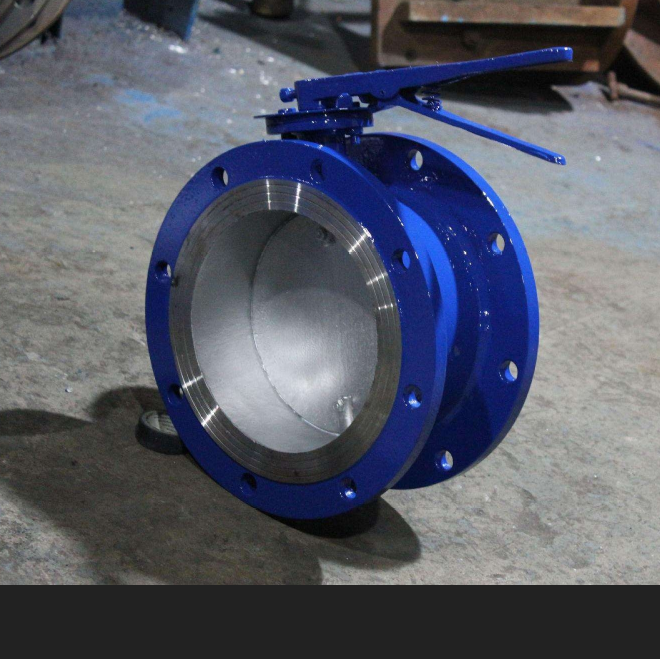
8 mm toughened glass price
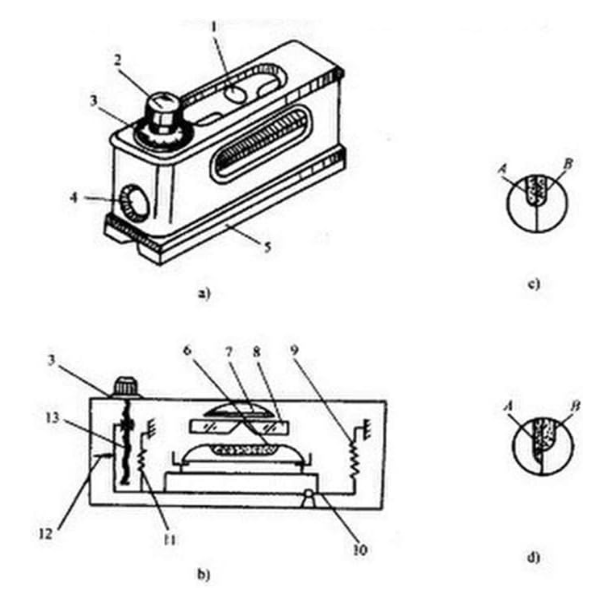
Understanding Measurements at the 4% Foot Level with a Ruler The measurement of physical objects and distances is fundamental in a variety of fields, from engineering and architecture to crafting and everyday tasks. Among the many tools available for measurement, a ruler is one of the most common and versatile. Understanding how to use a ruler effectively can significantly enhance precision and accuracy in any project. One specific interest in measurements is the concept of the 4% foot level, which we will explore in this article. Understanding Measurements at the 4% Foot Level with a Ruler To measure this accurately using a ruler, one must establish a baseline. This involves placing the ruler horizontally on a level surface. Starting from the zero mark, you can then measure out to 4 inches for every 100 inches along the baseline to visualize the gradient. This method allows builders to create ramps or pathways that comply with safety regulations and ensure easy access. 4 foot level with ruler Moreover, understanding and applying the 4% foot level is crucial in designing roads or sidewalks, where insufficient gradient can lead to water pooling and increased wear on materials. For instance, in crafting a wooden ramp, precise measurements help ensure that the slope meets the 4% requirement, making it safe for all users, including those with mobility challenges. In practice, one measures the slope of a ramp with a ruler by first determining the height (rise) of the ramp and the distance traveled along the ground (run). For a 4% slope, the relationship can be expressed simply if the ramp rises 4 inches, it should extend 100 inches horizontally. This easy calculation makes it feasible for anyone from DIY enthusiasts to professional builders to ensure their projects are not only functional but also adhere to safety standards. In conclusion, the 4% foot level is a critical concept in measurement that can be easily navigated with a simple ruler. By understanding how to make accurate measurements and apply them to various projects, individuals can enhance their skills and ensure that their creations are both effective and safe. Whether you're tiling a floor, building a ramp, or landscaping a garden, precision is key to success.
about
8 mm toughened glass price
Understanding the Granite Angle Plate A Key Tool in Precision Measurement In the world of precision engineering and manufacturing, the granite angle plate is an indispensable tool that provides accuracy and reliability in various measurement tasks. Made from high-quality granite, these plates are essential for alignment, inspection, and setup processes, especially in fields such as machining, metalworking, and quality control. The Composition and Characteristics of Granite Angle Plates Granite angle plates are typically constructed from high-density granite, which is prized for its exceptional stability and resistance to wear. The natural properties of granite make it an ideal material for precision work. Unlike other common materials such as cast iron or aluminum, granite does not warp or deform under pressure, which is crucial when maintaining the integrity of measurements. Granite plates are also known for their excellent vibration dampening qualities, which helps to enhance the accuracy of measurements. This characteristic minimizes the effects of external disturbances, providing a stable platform for measuring tools and workpieces. Design and Usage A granite angle plate is usually configured in the form of a right angle, providing a flat reference surface on two adjoining faces. This design allows for the easy setup of workpieces and measuring instruments at precise angles, which is essential in achieving accurate dimensions. These plates come in various sizes and thicknesses, allowing users to choose the right fit for their specific needs. The surface is often finished to a very fine tolerance, ensuring that any measurements taken against the plate are as accurate as possible . Many manufacturers also provide a range of accessories like clamps and vises that complement the granite angle plate, enhancing its utility further. Applications in Industry granite angle plate Granite angle plates find extensive applications across various industries. In the metalworking sector, they are vital for setting up components during machining processes. The precise 90-degree angle provided by these plates allows machinists to establish accurate reference points, ensuring that every cut is made with the utmost precision. In quality control labs, granite angle plates serve as a benchmark for inspecting the dimensions and alignment of manufactured parts. They can be used alongside various measuring tools, including calipers, micrometers, and height gauges, to verify that components conform to specified tolerances. Moreover, in assembly processes, these plates facilitate the positioning and alignment of parts before they are permanently joined. The stability of granite ensures that components maintain their intended geometry during assembly, which is vital for product functionality. Maintenance and Care To ensure long-lasting efficacy, proper maintenance of granite angle plates is crucial. They should be kept clean and free of any debris that might scratch the surface. Using a soft cloth for cleaning is recommended, as harsh chemicals or abrasive materials can damage the granite. Regular calibration is also important to maintain the plate's accuracy. Any noticeable wear or surface imperfections should be addressed immediately, as they can compromise measurement integrity. Conclusion In conclusion, the granite angle plate is a vital tool for any workshop or facility that values precision and accuracy. Its robustness, stability, and resistance to deformation make it an essential asset for machining, inspection, and assembly tasks. Understanding its features and applications can significantly enhance operational efficiencies, ensuring that quality standards are consistently met. Whether you are a seasoned engineer or a novice machinist, investing in a high-quality granite angle plate is sure to pay dividends in your pursuit of precision.
-

High quality industrial productsagement

High quality industrial products
View Details -

Meet the diverse needs of customers

Meet the diverse needs of customers
View Details -

Strict quality control

Strict quality control
View Details -

Top raw materials

Top raw materials
View Details -

Trusted supplier

Trusted supplier
View Details
Our application
news and information

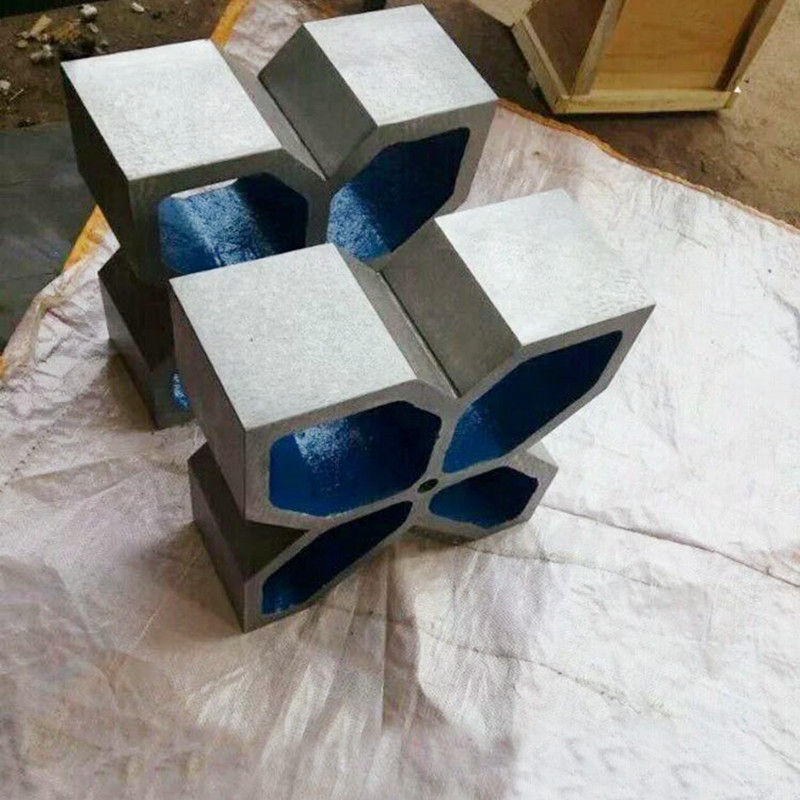
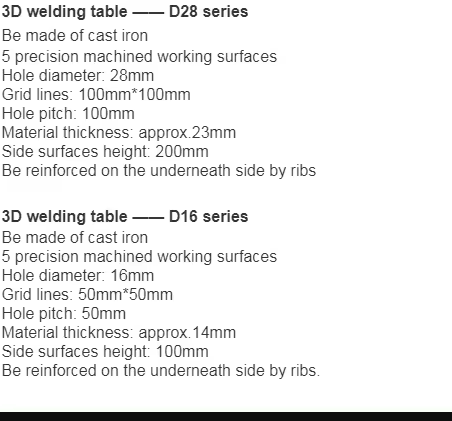
welding table clamps
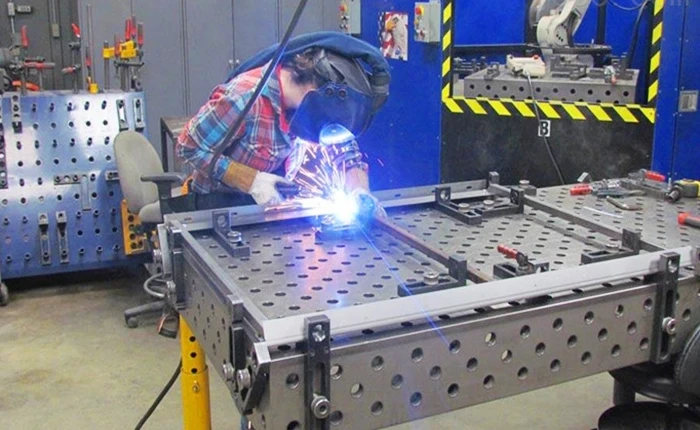
The Importance of Welding Table Clamps in Metalworking Welding is a fundamental process in metalwork
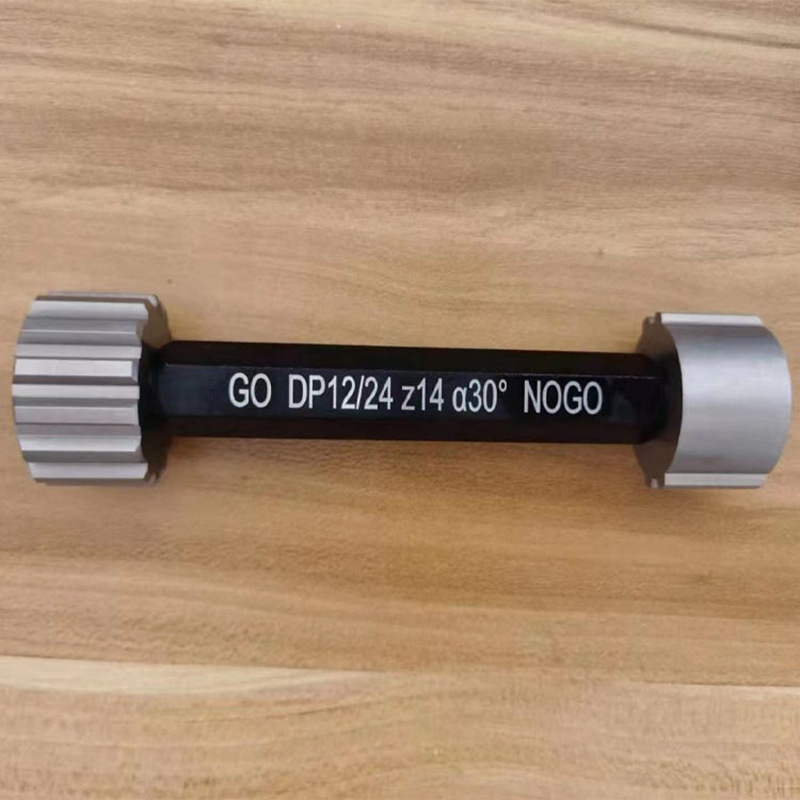
Using Pin Go-No Go Gauge for Precision Measurement in Manufacturing Applications
Understanding the Pin Go/No-Go Gauge A Key Tool in Quality Control In the realm of manufacturing and

water valves on or off
Understanding Water Valves On or Off Water valves play a crucial role in the distribution and regula
 English